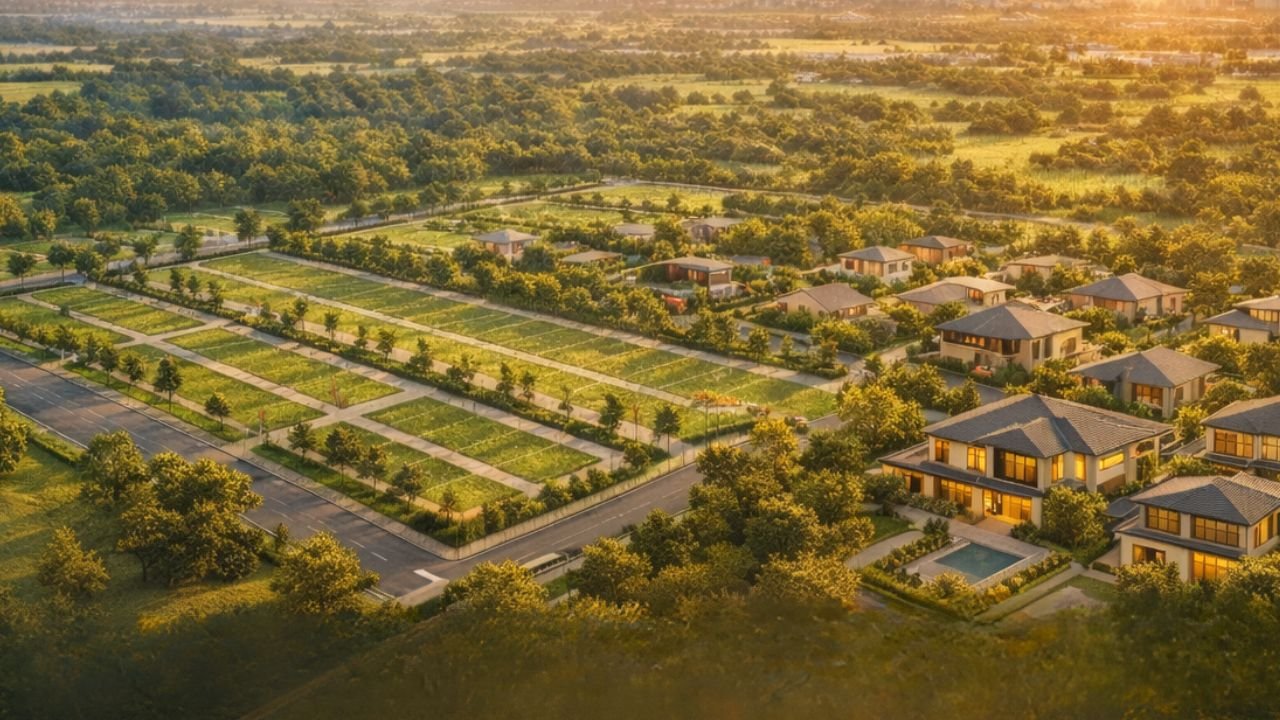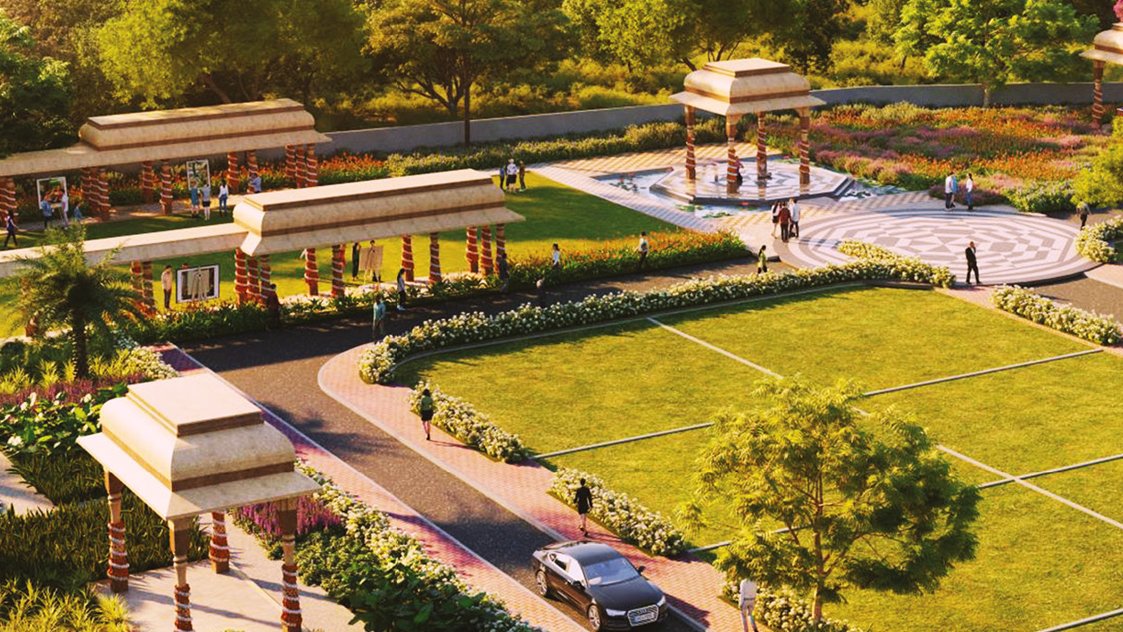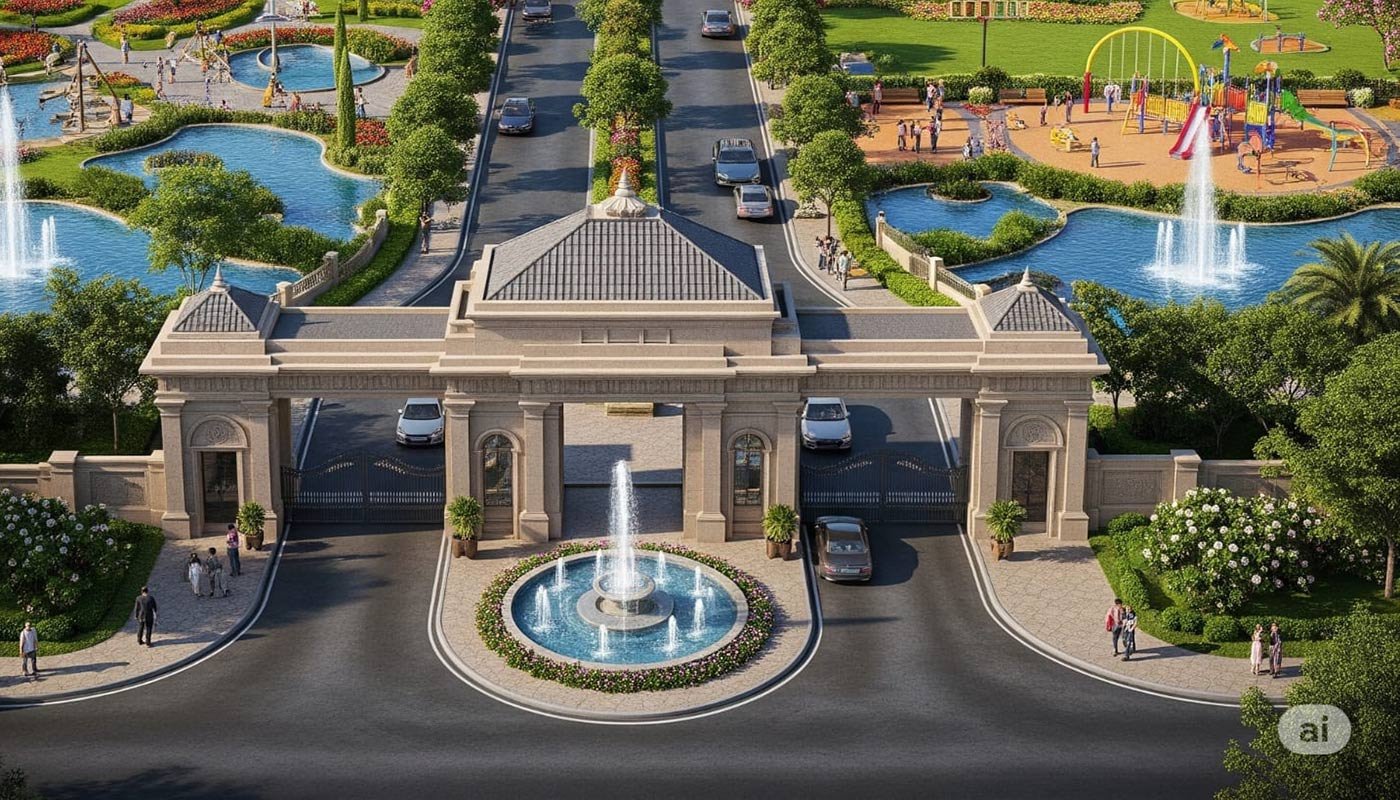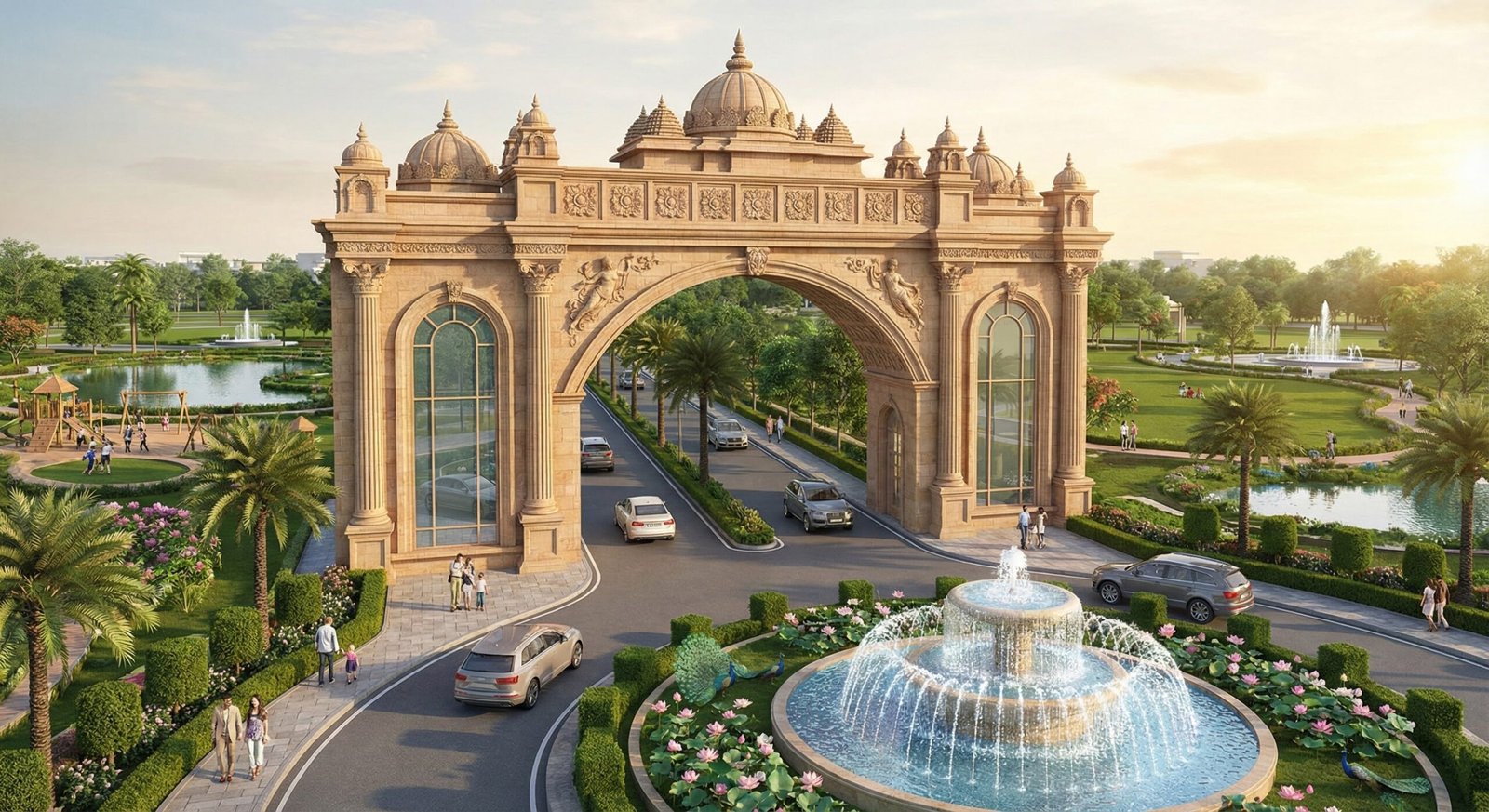
One of the biggest reasons people prefer agricultural land near Vrindavan is affordability. Land prices are still reasonable when compared to nearby cities like Mathura, Agra, Noida, and Delhi NCR. This lower entry cost allows investors to acquire larger land parcels, which increases the potential for future appreciation. Over the years, as tourism, infrastructure, and population around Vrindavan grow, agricultural land values are expected to rise steadily, making it a smart long-term investment.
Another major attraction of buying agricultural land in Vrindavan is its suitability for organic and natural farming. With rising awareness about healthy food and chemical-free produce, organic farming has become a profitable option. Many landowners are using their farmland in Vrindavan to grow vegetables, fruits, grains, and medicinal plants. The demand for fresh produce from nearby towns, temples, and residential areas creates an opportunity for both personal consumption and commercial income.
Agricultural land in Vrindavan is also increasingly popular among people looking to build farmhouses or weekend retreats. While construction rules vary, many buyers acquire farmland with the intention of creating a peaceful personal space surrounded by nature. The calm environment, spiritual energy, and scenic rural landscapes make Vrindavan an ideal location for those seeking a slower, more meaningful lifestyle away from city chaos.
From an investment point of view, agricultural land near Vrindavan offers long-term stability. Unlike apartments or commercial properties that depreciate over time, land remains a finite and appreciating asset. As infrastructure improves and nearby areas develop, agricultural land prices naturally increase. Investors who hold land for several years often benefit from significant capital appreciation, especially when development expands toward rural belts.
However, buying agricultural land in Vrindavan requires careful legal verification. It is essential to check land ownership records, title clarity, and local revenue documents. Buyers should also confirm whether the land is classified strictly as agricultural and understand the local rules regarding land use and construction. Consulting experienced local advisors or real estate professionals helps ensure a safe and transparent transaction.
Connectivity is another factor that supports the future potential of agricultural land in Vrindavan. The city enjoys good road connectivity with Mathura and other major regions of Uttar Pradesh. Ongoing and proposed infrastructure projects are expected to further enhance accessibility. Improved connectivity not only benefits farming and transportation but also increases the overall value of agricultural land in surrounding areas.
Spiritual tourism plays a unique role in driving land demand around Vrindavan. Millions of devotees visit the city every year, creating economic activity and development in nearby villages. This continuous influx supports local markets, agriculture, and land demand. For many buyers, owning agricultural land in Vrindavan is not just a financial decision but also an emotional and spiritual one, making it a long-term holding rather than a short-term trade.
Agricultural land in Vrindavan is also suitable for people interested in eco-friendly and sustainable projects. Activities such as herbal farming, dairy farming, nurseries, and eco-retreats are gradually gaining popularity. With the growing focus on sustainable living, such projects are expected to attract more interest in the coming years, adding to the value of farmland in the region.
In conclusion, agricultural land in Vrindavan offers a unique combination of spirituality, sustainability, and investment growth. Whether you are a farmer, an investor, or someone looking for peaceful land ownership, Vrindavan provides diverse opportunities. With affordable prices, fertile land, rising demand, and long-term appreciation potential, investing in agricultural land in Vrindavan can be a wise and meaningful decision. Proper legal checks, a clear investment goal, and a long-term vision can help turn this land into a valuable and rewarding asset for the future.